

This week we are looking at William Carey’s simple Master Plan: “Send forth as many native preachers as possible.”
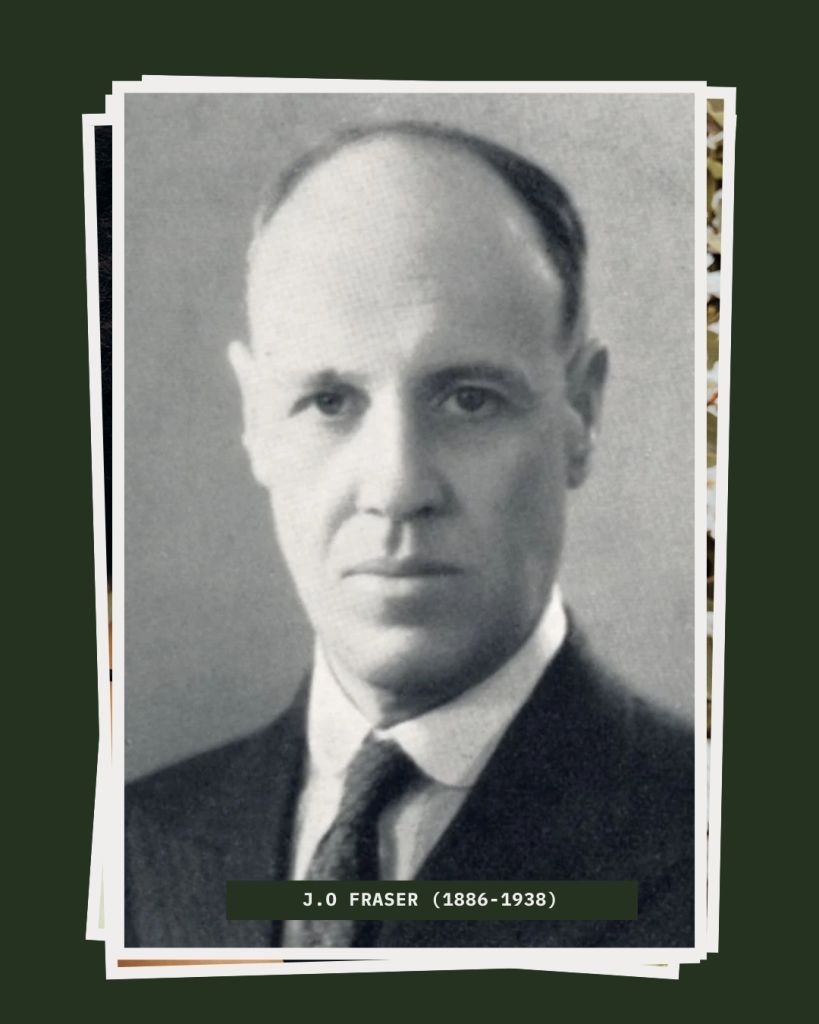
100 years after Carey, James Fraser showed how successful this policy can be. Carey’s original comments on this subject from the Serampore Form of Agreement:
Another part of our work is the forming our native brethren to usefulness, fostering every kind of genius, and cherishing every gift and grace in them. In this respect we can scarcely be too lavish of our attention to their improvement. It is only by means of native preachers that we can hope for the universal spread of the Gospel throughout this immense continent. Europeans are too few, and their substance costs too much, for us ever to hope that they can possibly be the instruments of the universal diffusion of the word amongst so many millions of souls, spread over such a large portion of the habitable globe. Their incapability of bearing the intense heat of the climate in perpetual itineracies, and the heavy expenses of their journeys, not to say anything of the prejudices of the natives against the very presence of Europeans, and the great difficulty of becoming fluent in their languages, render it absolute duty to cherish native gifts, and to send forth as many native preachers as possible. If the practice of confining the ministry of the word to a single individual in a church be once established amongst us, we despair of the Gospel’s ever making much progress in India by our means. Let us therefore use every gift and continually urge our native brethren to press upon their countrymen the glorious Gospel of the blessed God.
Modern English version of Carey’s comments:
Improving the lives and skills of local people is a key part of our work. We should be generous in how we support their development, encouraging every talent and strength they have. The only hope for the widespread sharing of the Gospel across this vast continent is through local preachers. Europeans are too few, and the cost of supporting them is far too high to expect that they could possibly reach all the millions living here.
Europeans struggle with the intense heat, the high costs of travel, and the difficulty of mastering local languages. There are also deep-rooted biases against foreigners among the native population. For these reasons, it is our clear duty to support and nurture local talent and to send out as many local preachers as we can.
If we start limiting the preaching of the Gospel to one person per church, then we cannot expect to make much progress in India. We must, therefore, use every available talent and encourage our local colleagues to share the message of God with their fellow countrymen.
Carey’s reasons for investing in local indigenous missionaries:
1. Too few missionaries to reach the vast continent with so many people.
2. The costs of a missionary as against a local worker.
3. Struggles with the heat and the weather.
4. The cost and difficulties of travel.
5. Local prejudice against foreigners.
6. The difficulties of learning language and culture.
7. The wrong policy of investing in one local pastor as opposed to many local missionaries.
Does that mean we should stop sending missionaries to foreign fields? No, of course not. Missionaries are needed to birth what doesn’t exist and to train what has not been trained. As Derek Prince Ministries puts it, “Reaching the unreached and teaching the untaught.”


