

Scroll Top
+123 4567 890
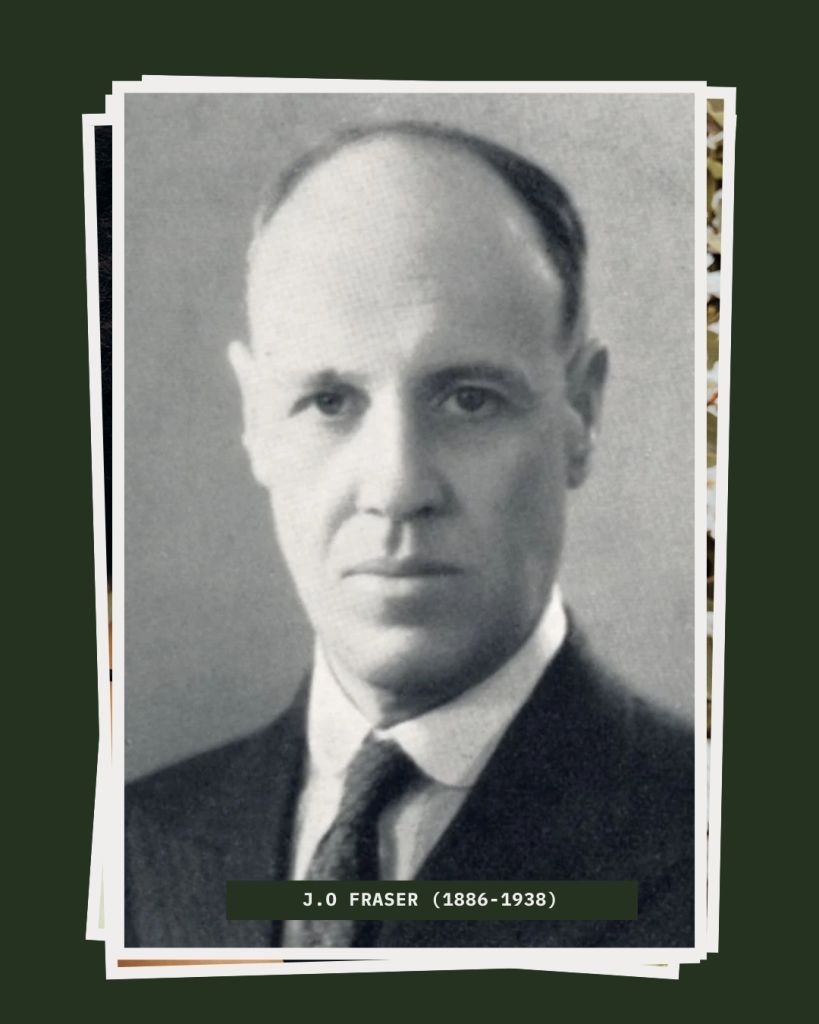
J O Fraser
J. O. Fraser – Fraser Was A Spy?
 
At this point accusations spread that Fraser was a spy working for the British government. The accusations hindered his missionary work by creating suspicion or fear, or through influential local people telling the Lisu not to trust him.
Here are the facts:

Accusations that J.O. Fraser was working for the British government among the Lisu people were false and rooted in misunderstanding and local suspicion. These often arose in times of unrest or during the early phases of his missionary work. These slanders were used by opponents of Christianity and outsiders to discredit his ministry or stir up distrust among the Lisu, suggesting that Fraser’s efforts to study their language, advocate for their well-being, and build community structures were colonial governmental strategies rather than genuine Christian service.
 
J.O. Fraser was not a British government agent, but a devoted missionary whose work was misrepresented by some as political intrigue, despite substantial evidence to the contrary. There appears to be no direct primary source that explicitly alleges J.O. Fraser was working as a British government agent. The search results instead largely return unrelated sources about British intelligence, espionage, and other subjects not connected to Fraser or missionary work.

From existing known research and scholarship, the claims about J.O. Fraser being a British agent mainly stem from local rumours and anti-missionary opposition rather than verifiable primary documents. No concrete original or official British government documents have surfaced to substantiate such allegations.

The Origin and Nature of the Lies:

– Some local leaders and rival groups misinterpreted Fraser’s dedication and the organisational nature of his work – such as his linguistic research and agricultural advice – as evidence of secret governmental motives.
– The British government did request that Fraser document aspects of Lisu life for broader ethnographic understanding, leading to suspicions that he was acting as an agent, though his actual work was aimed at supporting the Lisu church and community independent of foreign control.
Fraser’s Response and Real Practices
– Fraser strongly opposed foreign dependency and always promoted self-support within the Lisu church and local leadership.
– He refused to use external funds to pay church workers or build chapels, showing he was not directing British resources for political or governmental control.
– His focus was spiritual and practical: translating the Bible, establishing literacy, and improving local agriculture – not advancing British government interests.
Impact and Continuity
– The persistence of these lies reflects historical suspicion toward foreign missionaries, especially during periods of anti-foreign sentiment and political upheaval in China.
– Nevertheless, Fraser’s legacy among the Lisu is overwhelmingly positive, and the self-governing, self-supporting Lisu church is seen as a monument to his sincerity and the resilient impact of his work.
(Sources: Multiple)
William Carey’s related thoughts in his “Form of Agreement respecting the Great Principles upon which the Brethren of the Mission at Serampore think it their duty to act in the work of instructing the Heathen.”
Thirdly. It is necessary, in our intercourse with the Hindus, that, as far as we are able, we abstain from those things which would increase their prejudices against the Gospel. Those parts of English manners which are most offensive to them should be kept out of sight as much as possible. We should avoid every degree of cruelty to animals. Nor is it advisable at once to attack their prejudices by exhibiting with acrimony the sins of their gods; neither should we upon any account do violence to their images, nor interrupt their worship. The real conquests of the Gospel are those of love: “And I, if I be lifted up, will draw all men unto me.” In this respect, let us be continually fearful, lest one unguarded word, or one unnecessary display of the difference between us, in manners, etc., should set the natives at a greater distance from us.

Paul’s readiness to become all things to all men, that he might by any means save some, and his disposition to abstain even from necessary comforts that he might not offend the weak, are circumstances worthy of our particular notice. This line of conduct we may be sure was founded on the wisest principles. Placed amidst a people very much like the hearers of the Apostle, in many respects, we may now perceive the solid wisdom which guided him as a missionary. The mild manners of the Moravians, and also the Quakers towards the North American Indians, have, in many respects inferior to himself, is ill-qualified to become a Missionary. The words of a most successful preacher of the Gospel still living, “that he would not care if the people trampled him under their feet, if he might become useful to their souls,” are expressive of the very temper we should always cultivate.

 
Sixthly. It is absolutely necessary that the natives should have an entire confidence in us and feel quite at home in our company. To gain this confidence, we must on all occasions be willing to hear their complaints; we must give them the kindest advice, and we must decide upon everything brought before us in the most open, upright, and impartial manner. We ought to be easy of access, to condescend to them as much as possible, and on all occasions to treat them as our equals. All passionate behaviour will sink our characters exceedingly in their estimation. All force, and everything haughty, reserved, and forbidding, it becomes us ever to shun with the greatest care. We can never make sacrifices to great, when the eternal salvation of souls is the object, except, indeed, we sacrifice the commands of Christ.

Share this on your socials
Discover More

Similar Resources

Videos


Articles


Privacy Preferences
When you visit our website, it may store information through your browser from specific services, usually in form of cookies. Here you can change your privacy preferences. Please note that blocking some types of cookies may impact your experience on our website and the services we offer.